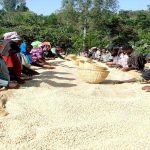
This study examines the role of Ethiopian Orthodox Tewahedo Church (EOTC) religious practices, particularly fasting, prayer, forgiveness, and community engagement, in promoting holistic health and reducing risks of noncommunicable diseases (NCDs). A mixed-method approach was employed, combining documentary analysis with qualitative interviews. Documentary review included canonical and non-canonical texts, church canons, and relevant scholarly literature. […]
The early bird gets the cash: When should a scholarship for secondary school arrive? Evidence from Ethiopia

Key takeaways A study in Ethiopia found conditional cash transfers increased secondary school enrollment. Youth offered transfers were more likely to enroll and stay in school. Earlier notification delivered bigger impacts. Students informed more than a year in advance saw larger enrollment gains and higher exam pass rates. Benefits extended beyond schooling. The program reduced early marriage […]
Rethinking land use and rural livelihoods in Ethiopia’s agroecological zones
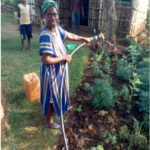
Abstract/Description The structural characteristics of the Ethiopian economy make it particularly vulnerable to the impacts of climate change, prompting the government to explore a range of adaptation and mitigation strategies. Land use shifts and livelihood diversification—through semi-intensive livestock systems, afforestation and tree crop development, and the pursuit of grain self-sufficiency—have been identified in policy documents […]
Formative research in Ethiopia and Bangladesh: Strengthening household survey measures of maternal micronutrient supplementation in low- and middle-income countries

Abstract/Description Background As countries transition from implementing iron folic acid (IFA) to multiple micronutrient supplements (MMS) for pregnant women, they need accurate data on who is being reached with these interventions. The aim of our formative research in Ethiopia and Bangladesh was to design updated household survey questions, response options, and visual aids to measure […]
Determinants of infant and young child feeding practices of children with severe acute malnutrition in agrarian and pastoralist settings of Ethiopia

Abstract/Description Previous research has established determinants of young child feeding (IYCF) practices in the general child population, but determinants of these practices in children with severe acute malnutrition (SAM) are unknown. This study assessed the determinants of IYCF practices among children aged 6–23 months with SAM and under SAM treatment in a pastoralist and a […]