
Abstract/Description Severe acute malnutrition remains a major public health concern, yet a large proportion of affected children do not receive appropriate treatment. Understanding the barriers and associated factors is essential for informing targeted, context‐specific interventions. A door‐to‐door screening campaign among children aged 6–59 months was conducted from May to September 2024 in Kersa (agrarian) and […]
Determinants of food safety practices among Ethiopian households: a multilevel mixed effects linear regression analysis
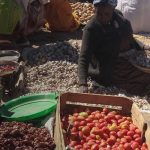
The total weighted sample included in this analysis was 62,432,197. Model with the lowest DIC, AIC and BIC values was selected as the best-fitting model. Safe food handling practice among households was 42.4%. Being completed primary school, secondary/vocational education, and university-level education had higher safe food handling practices by 0.21 (95% CI: 0.10, 0.32), 0.49 […]
When High Grades No Longer Mean High Performance: Ethiopia’s Academic Inflation Crisis
Every graduation season, Ethiopian universities celebrate outstanding academic achievements. It is increasingly common to hear of students graduating with dozens of A and A+ grades, earning cumulative GPAs that would have been exceptionally rare a decade or two ago. For students and their families, such accomplishments are a source of pride and motivation. They symbolize […]
Perceived challenges and solutions to adopting healthy diets among women and children: A photovoice study in urban Ethiopia
Abstract/Description Ethiopia has one of the highest rates of undernutrition among children under five (U5) and women of reproductive age (WRA) globally, alongside rising overweight/obesity, particularly in urban areas. Poor diet is a shared driver of multiple forms of malnutrition. We used a participatory photography (Photovoice) approach to explore the lived experiences of WRA and […]
Varietal adoption, turnover, and concentration for major crops in Ethiopia: Evidence from household surveys and field sample genotyping

Abstract/Description Although continuous genetic improvement of crops cultivated by smallholder farmers is a well-known route to increasing agricultural productivity, our understanding of varietal adoption, turnover, and concentration in farmers’ fields is limited. Often, the greatest challenge to our understanding lies in the measurement approach (farmer self-reports versus DNA fingerprinting), as well as in the analysis […]
- « Previous Page
- 1
- 2
- 3
- 4
- 5
- …
- 128
- Next Page »