
Targeting is a critical component of social protection programs, influencing not only their effectiveness but also perceptions of fairness, legitimacy, and trust in local institutions. When targeting is perceived as unfair or discriminatory, it can undermine trust and social cohesion. To explore these issues, IFPRI hosted a dissemination workshop on “Community-Based Targeting of Social Protection […]
The effects of a multifaceted graduation model on intra-household dynamics: Experimental evidence from Ethiopia
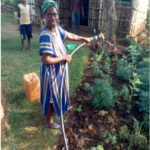
We provide evidence around the effectiveness of a gender-sensitive graduation model in shifting intrahousehold dynamics and empowering women in rural Ethiopia, drawing on a multi-arm cluster randomized trial. The bundled intervention centered around village economic and social associations, nurturing care groups, men’s groups, and livelihood grants; one arm also provided a monthly cash transfer for […]
Mapping the policy landscape for climate action in Ethiopia’s agrifood systems

Ethiopia has made important policy commitments to address climate change in agriculture and food systems, yet challenges remain in translating these commitments into coordinated, inclusive action. This study examines Ethiopia’s climate change institutional landscape, with a particular focus on the integration of gender and nutrition considerations. Drawing on the Net-Map methodology and a participatory stakeholder […]
Policy Innovations Science Program (PIP) Retreat

The Policy Innovations Science Program Management team convened at the Haile Grand Hotel on September 22–23, 2026, for a strategic two-day retreat. Central to the discussions was a deep dive into the program’s Theory of Change, led by Clemens, focusing on defining policy change, sharpening the program’s unique comparative advantage, and identifying successful models to […]
Gender, Climate Change, and Nutrition integration Initiative (GCAN Workshop)
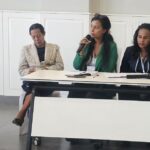
The three-day Gender, Climate, and Nutrition Integration Initiative (GCAN) conference successfully convened over 20 key partners and stakeholders from September 22–24, 2026, at the Haile Grand Hotel in Addis Ababa, Ethiopia. The workshop provided a vital platform to reflect on GCAN’s progress to date and map out shared strategic priorities through 2028. Throughout the event, […]