Targeting is a critical component of social protection programs, influencing not only their effectiveness but also perceptions of fairness, legitimacy, and trust in local institutions. When targeting is perceived as unfair or discriminatory, it can undermine trust and social cohesion.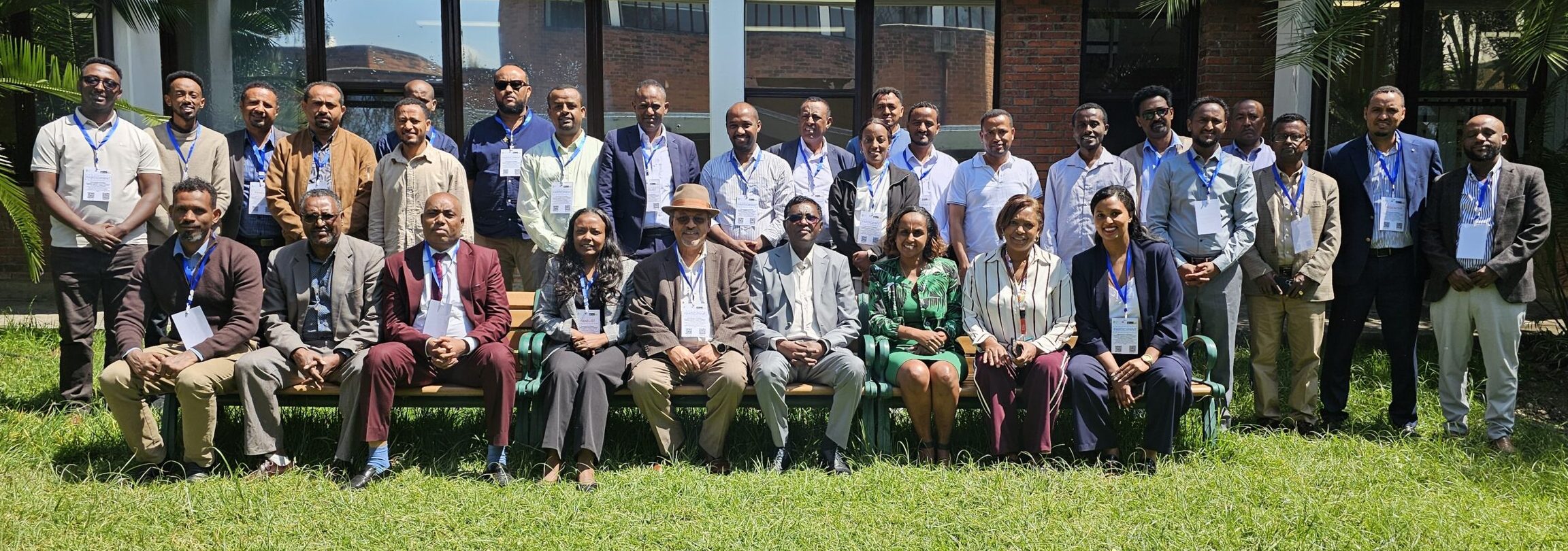
To explore these issues, IFPRI hosted a dissemination workshop on “Community-Based Targeting of Social Protection Programs: Key Findings from Ethiopia” on September 24, 2026, at the ILRI Campus in Addis Ababa. More than 40 participants joined the event in person and virtually, bringing together government representatives, development partners, practitioners, and researchers.
The workshop presented findings from a randomized study examining whether participatory community-based targeting (CBT) can improve targeting outcomes while strengthening transparency, community participation, perceived fairness, legitimacy, and trust.
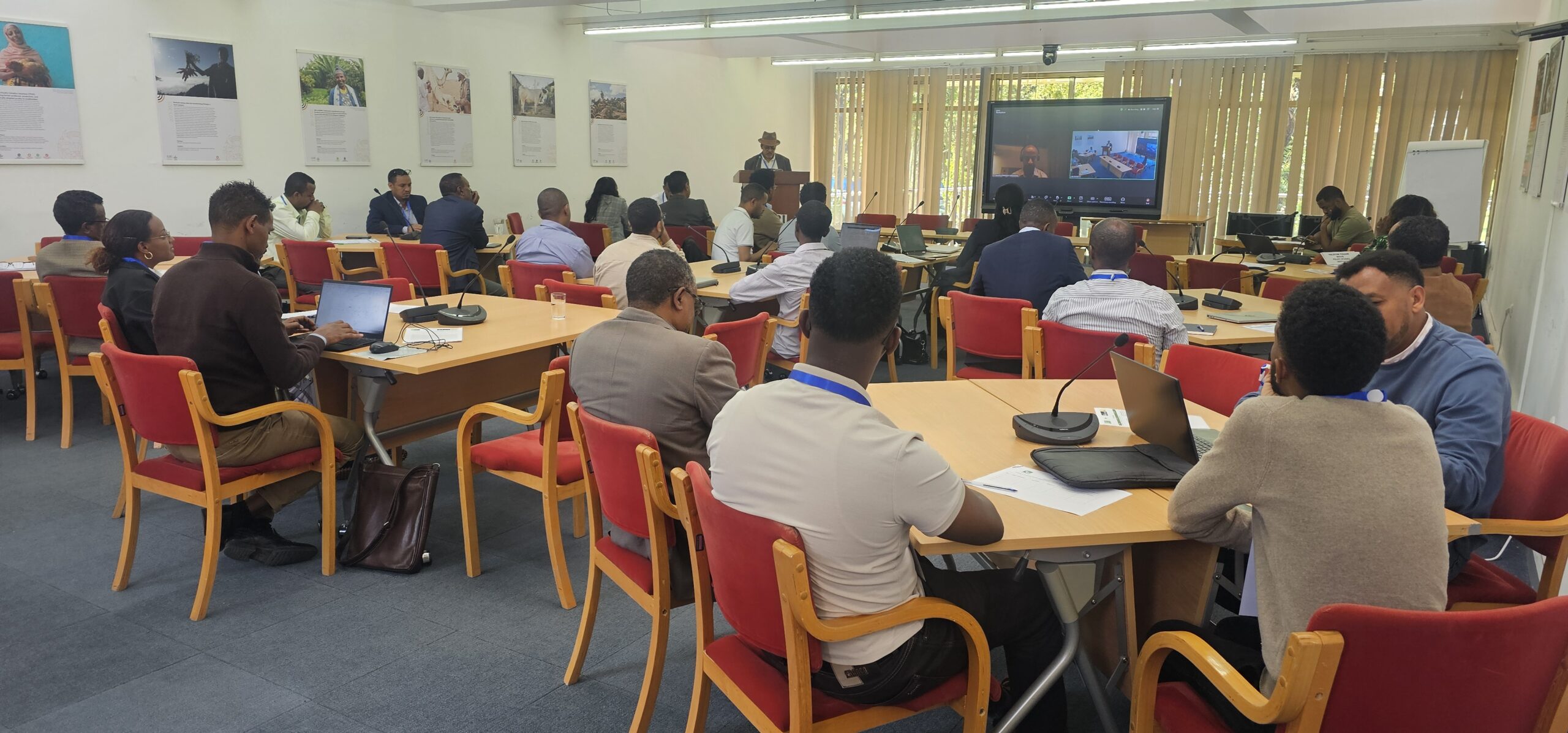 In his opening remarks, Alemayehu Seyoum Taffesse welcomed participants and expressed appreciation to government partners, researchers, and the communities involved in the study. Tewodros Mekonnen of the International Growth Centre (IGC), joining virtually, emphasized the importance of research evidence in informing policy and understanding realities on the ground. He also acknowledged the contribution of the research team and the challenges involved in implementing the study.
The research findings were presented by Kibrom Abay and Halefom Nigus. Kibrom presented findings on whether participatory community-based targeting can improve targeting outcomes, while Halefom discussed its potential effects on legitimacy, perceived fairness, trust, and social cohesion.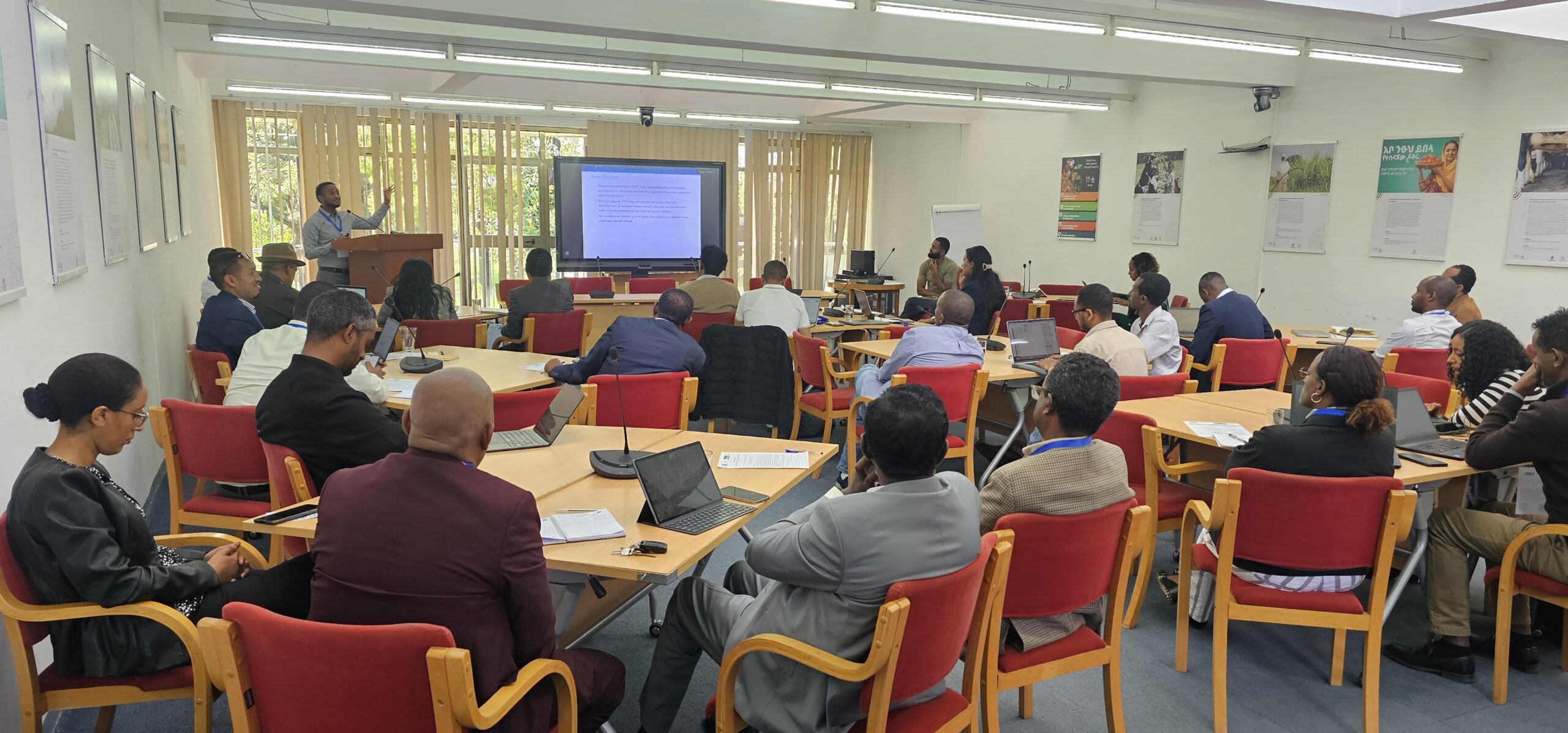
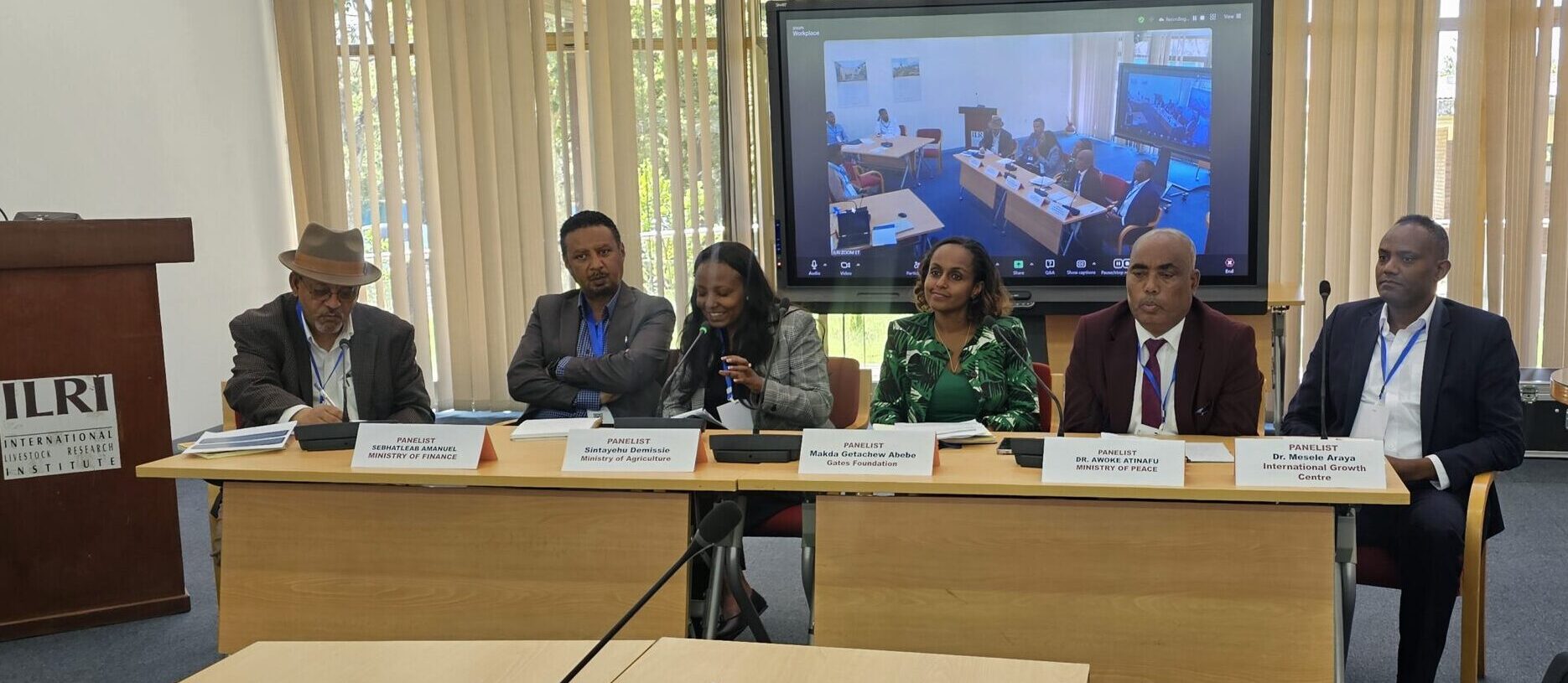
Following the presentations, a panel discussion explored “The Role of Public Participation and Deliberation in Improving Targeting Performance and Rebuilding Trust in Local Governance and Social Cohesion.” The panel included representatives from the Ministry of Agriculture, Ministry of Peace, Ministry of Finance, Gates Foundation, and International Growth Centre.
Panelists highlighted the importance of balancing targeting accuracy with broader program objectives, particularly when resources are limited. They also emphasized the value of transparent and accountable processes, clear grievance and appeal mechanisms, community participation, and the use of reliable data and digital systems.
Sintayehu Demissie, Ministry of Agriculture “Ethiopia is moving from relying primarily on administrative data toward more scientific and precise approaches to targeting, while balancing exclusion and inclusion errors given the complexity of the program.”
 The discussion further highlighted the importance of local knowledge and context. Community leaders, women, elders, and other community members can provide valuable information for targeting decisions, while digital tools such as Fayda and electronic payment systems can strengthen identification, transparency, and accountability.
Makda Getachew, Gates Foundation “Targeting accuracy is only one part of the story; we need to consider it proportionally, alongside the program’s objectives, available resources, and broader social outcomes.”
Dr. Awoke Atinafu, Ministry of Peace “Being illiterate does not mean you are not smart; communities have their own indigenous knowledge and understanding that should be recognized.”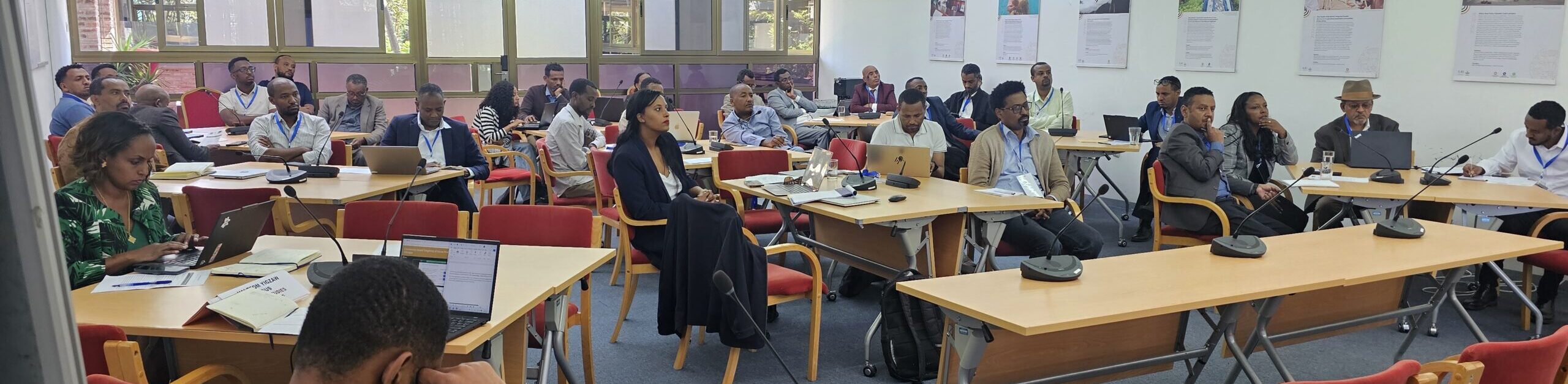
The workshop underscored that effective targeting is not only about identifying beneficiaries accurately. It is also about ensuring that the process is fair, transparent, participatory, and trusted by communities. The findings provide practical lessons for strengthening social protection programs in Ethiopia and informing similar efforts in other contexts.