The three-day Gender, Climate, and Nutrition Integration Initiative (GCAN) conference successfully convened over 20 key partners and stakeholders from September 22–24, 2026, at the Haile Grand Hotel in Addis Ababa, Ethiopia. The workshop provided a vital platform to reflect on GCAN’s progress to date and map out shared strategic priorities through 2028. Throughout the event, participants actively shared lessons learned from partner-led capacity-strengthening activities,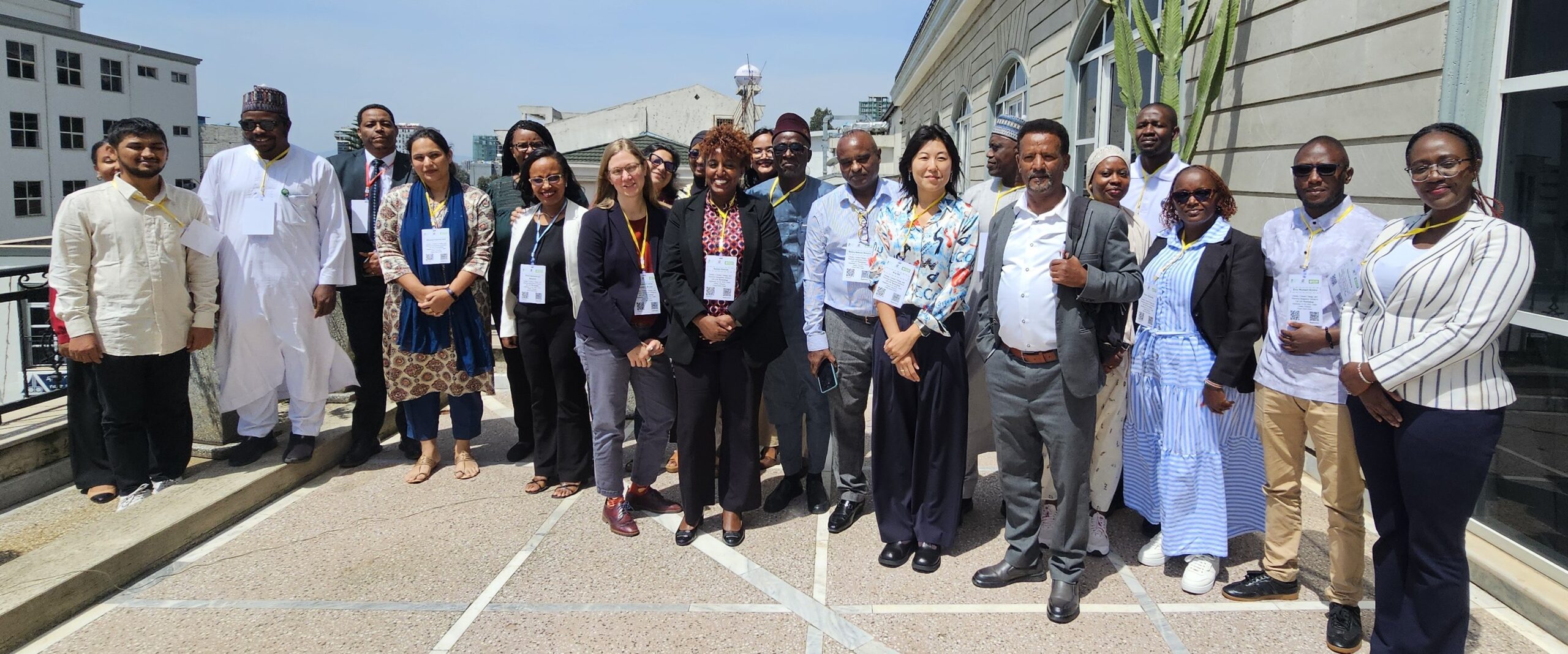 showcased innovative tools and research, and explored high-impact strategies for policy engagement and communication. By gathering direct feedback on current research and programming, the conference strengthened cross-country collaboration and reaffirmed a unified vision for sustainable development.
A major highlight of the second day was a high-level panel discussion on capacity strengthening for sustainable impact, featuring four women experts representing the Ministry of Agriculture, the Policy Studies Institute, the World Bank, and Addis Ababa University. The panelists candidly addressed critical capacity gaps within their respective sectors, emphasizing that capacity building must be viewed as an ongoing process rather than a one-time training session. They also highlighted the need to reshape the prevailing narrative on gender, overcome past limitations in organizational commitment, and foster long-term sustainability. 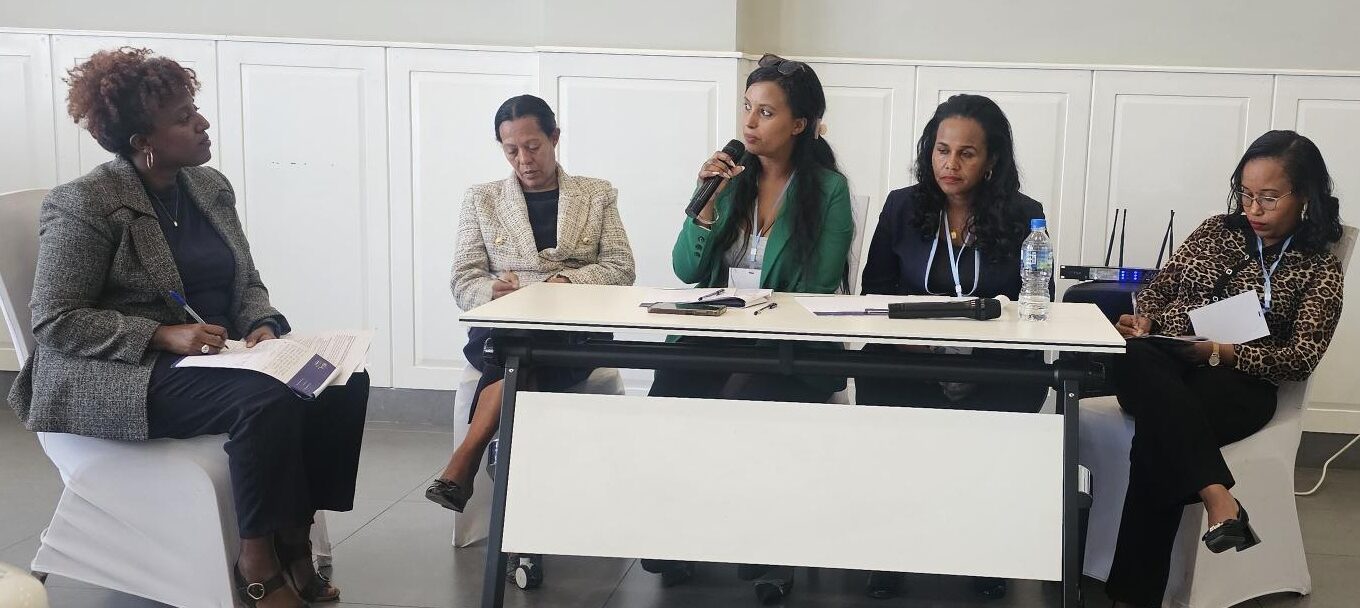 Focuses on collaboration rather than compiting to narrow the gap between policy and evidence. The session seamlessly transitioned into group reporting and plenary discussions on shared lessons, followed by an interactive segment where partners presented communication approaches that have successfully driven real-world policy influence.
The conference concluded on its third day with a dedicated learning event focused on reducing post-harvest losses of nutrient-dense foods, attracting an expanded group of sectoral stakeholders. This final session sparked lively exchange around practical solutions and collaborative opportunities to safeguard nutritional value across agricultural value chains. 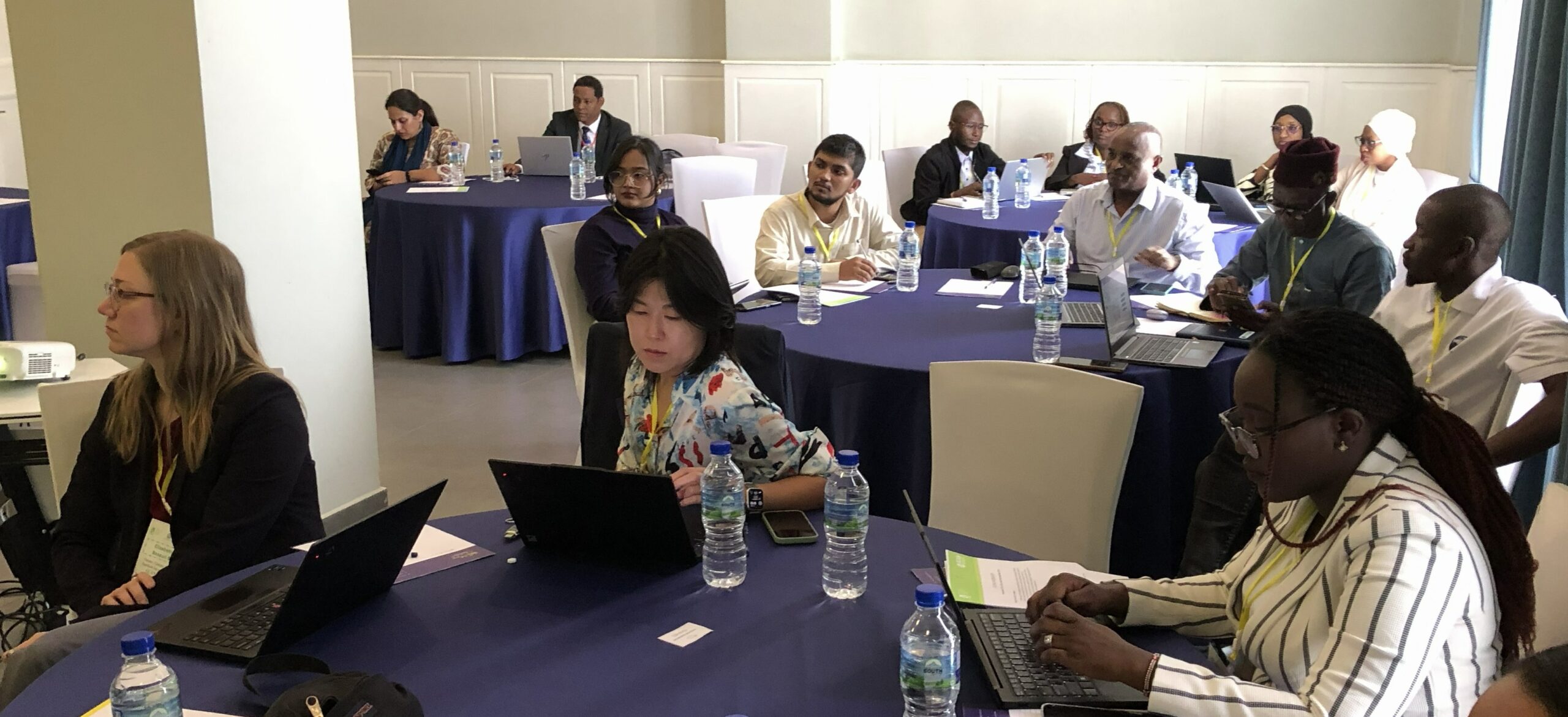 Overall, the three-day workshop was widely praised by attendees as both highly engaging and deeply insightful, laying a solid foundation for future research, policy advocacy, and joint programming through 2028.