
Micro-, Small-, and Medium-Sized Enterprises (MSMEs) are often important sources of employment in the food retail environment of Low- and Middle-Income Countries. As a result, policy makers might consider promoting job creation through MSMEs operating in the food environment. In this paper, we study a unique data set collected in two sites in Ethiopia to […]
Mapping evidence of national-nutrition-relevant policies and programmes in Ethiopia to address multiple burdens of malnutrition
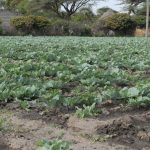
Abstract/Description Despite remarkable progress in reducing undernutrition, Ethiopia still has one of the highest rates of undernutrition amongst children under five years of age (U5) and women of reproductive age (WRA) globally. The country’s stubborn problem of undernutrition coexists with a rising challenge of overweight/obesity and diet-related noncommunicable diseases (NCDs), particularly amongst WRA in urban […]
Through HER eyes: Barriers and solutions to adopting healthy diets for women and children in Addis Ababa, Ethiopia
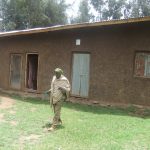
This study explored the perceived challenges and proposed solutions for achieving healthy diets among women and their children in urban Ethiopia. This study is part of a broader project called TAMMIE (TAckling Multiple forms of Malnutrition In Ethiopia amongst women of reproductive age and children under five), which aims to assess the causes of the […]
IFPRI Media Mentions – Farming as a Business, Not Survival
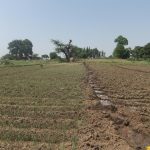
In this wide‑ranging interview, Capital sits down with Dagnachew Lule (PhD), Senior Director of Agricultural Commercialization Clusters (ACC) at the Ethiopian Agricultural Transformation Institute (ATI), to discuss how the 15‑year‑old institution has tried to shift Ethiopian agriculture from subsistence to market‑driven production. He reflects on ATI’s flagship ACC programme, the expansion of cluster farming from […]
The effects of cash and group therapy in the context of conflict: Evidence from a randomized evaluation in Ethiopia

The prevalence of depression remains high in low-income contexts, particularly those affected by conflict. This paper reports on a randomized controlled trial conducted in rural Ethiopia assessing the effects of a psychological (group therapy) intervention delivered by non-specialist health staff, as well as a large one-time cash transfer delivered post-therapy. The trial includes three arms […]