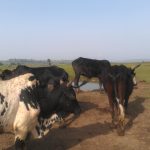
ESSP Working Paper 129, by Bart Minten, Yetimwork Habte, Seneshaw Tamru, and Agajie Tesfaye . Abstract: In the transformation of agri-food systems in developing countries, we usually see rapid changes in the livestock sector.
Does weather risk explain low uptake of agricultural credit?: Evidence from Ethiopia
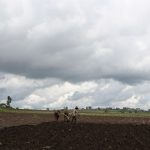
ESSP Working Paper 128, by Kibrom A. Abay, Bethelhem Koru, Jordan Chamberlin, and Guush Berhane. Abstract: Credit markets are key instruments by which liquidity constrained smallholder farmers may finance productivity investments.
Cropland expansion in Ethiopia: Economic and climatic considerations for highland agriculture

ESSP Working Paper 127, by Emily Schmidt and Timothy S. Thomas. Abstract: Agricultural GDP in Ethiopia grew at an average 7.3 percent per year between 2001/02 and 2012/13. Most of this dynamism occurred in the highlands,
Droughts, cereal prices, and price stabilization options in Ethiopia
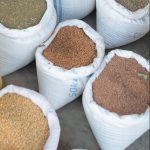
ESSP Working Paper 126, by Paul Dorosh, Jenny Smart, Bart Minten, and David Stifel. Abstract: Increases in cereal prices can have adverse effects on poor net food buyers. This is a particular problem in Ethiopia because of frequent natural calamities – especially droughts
Synopsis: Farmers’ grain storage and losses in Ethiopia: Measures and associates

ESSP Research Note 71, by Fantu Bachewe, Lan Li, Bart Minten, Alemayehu Taffesse, Karl Pauw, Alethia Cameron, and Tirsit Endaylalu. Synopsis of Working Paper 115. Abstract: Storage losses of crops on the farm are often assumed to be an important contributor to presumed large post-harvest losses in developing countries.
- « Previous Page
- 1
- …
- 75
- 76
- 77
- 78
- 79
- …
- 124
- Next Page »