A one-and-a-half-day Validation Workshop on CAADP (2026–2035) Domestication and Implementation – Core Element 2: Diagnostics and Analysis was held on July 20–21, 2026, at the ILRI Campus in Addis Ababa. Organized by the Ministry of Agriculture (MoA) in collaboration with the International Food Policy Research Institute (IFPRI) and AGRA, the workshop convened representatives from government ministries, development partners, research institutions, civil society organizations, farmers’ associations, and the private sector. Participants reviewed and validated a series of analytical studies prepared by IFPRI, providing strategic inputs to the development of Ethiopia’s National Agriculture and Food Systems Investment Plan (NASIP) 2026–2035. 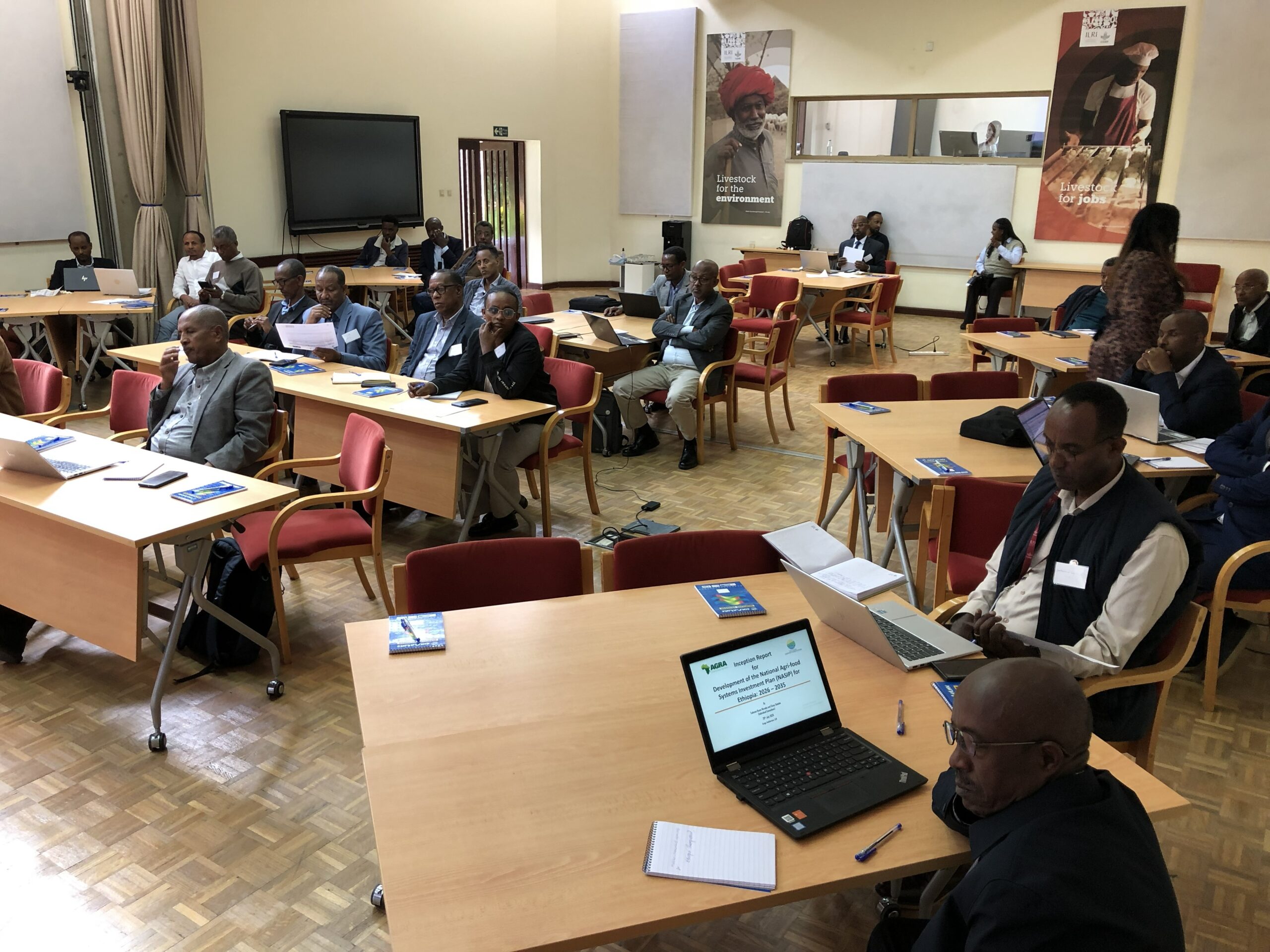
The validated studies provide an evidence base for translating the commitments of the Kampala CAADP Declaration into national priorities and investment strategies aligned with Ethiopia’s development agenda, the African Union’s Agenda 2063, and the Sustainable Development Goals (SDGs). Discussions centered on four key analytical studies: Food System Mapping for Ethiopia, Status Assessment and Profile (SAP) of Ethiopia’s Agrifood System Transformation, Economywide Analysis in Support of the Kampala Goals and Milestones, and Policy and Program Opportunities for Ethiopia’s Agrifood System Transformation under the Kampala Framework.
Opening the workshop, H.E. Dr. Efa Muleta Boru, Advisory State Minister at the Ministry of Agriculture, emphasized the importance of reviewing and refining the evidence that will shape Ethiopia’s next generation of agricultural investments. The primary focus is to examine rigorous analytical studies prepared by IFPRI. 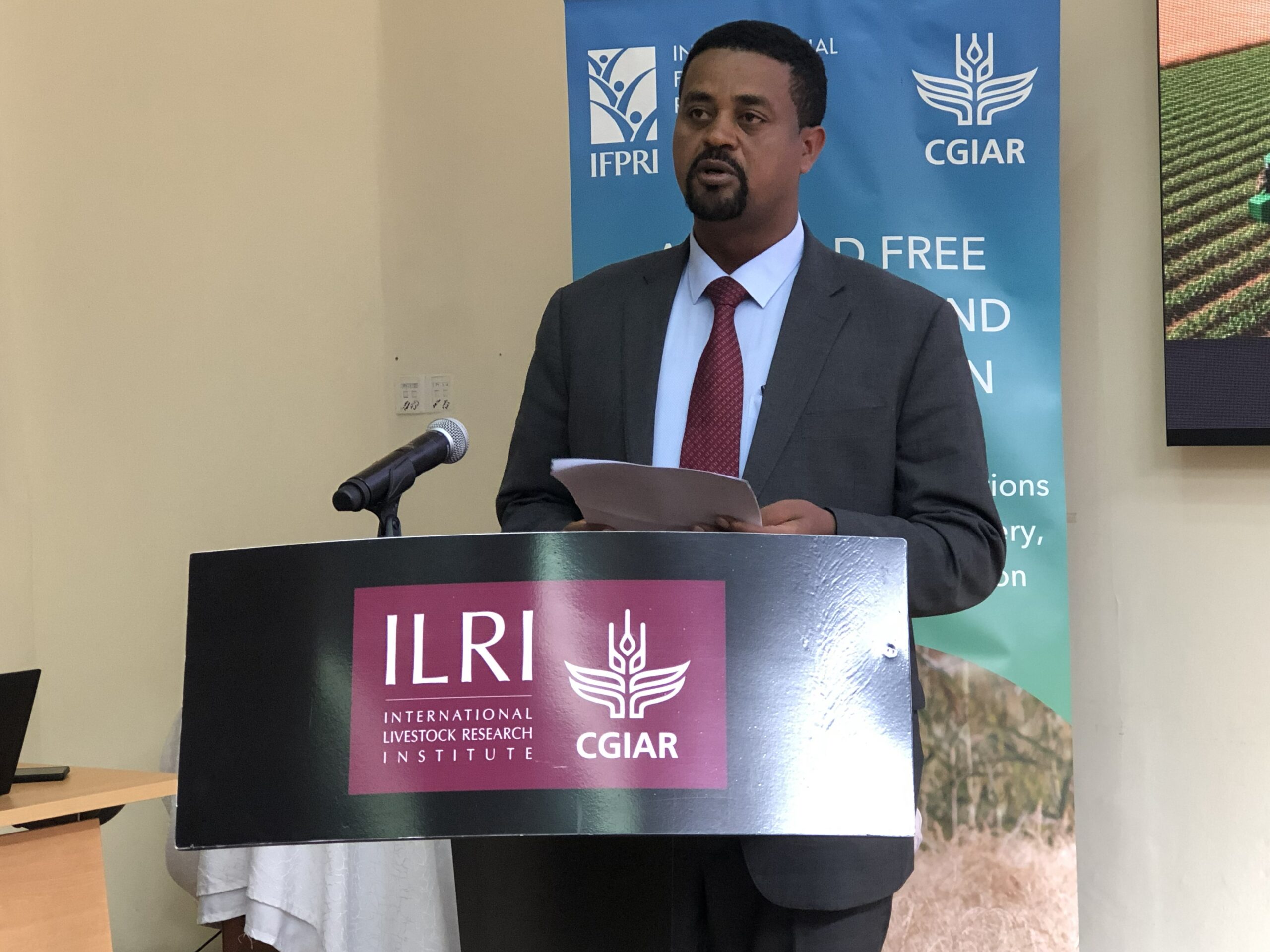 He noted that the analytical studies go beyond academic research, serving as the foundation for domesticating the Comprehensive Africa Agriculture Development Programme (CAADP) Kampala Declaration within Ethiopia’s national framework. This process, he stressed, represents a significant milestone in aligning the country’s agricultural transformation agenda with continental aspirations.
In her opening remarks, Dr. Namukolo Covic, Regional Director for East and Southern Africa (ESA), CGIAR, and ILRI Director General’s Representative to Ethiopia, highlighted the workshop as an opportunity for stakeholders to reflect on Ethiopia’s progress and future ambitions for food systems transformation. She underscored that while evidence is essential for informed decision-making, successful implementation also depends on strong institutional commitment and collaboration across sectors. Dr. Covic further noted the strong alignment between the six strategic objectives of the Kampala Declaration and Ethiopia’s Food Systems Transformation and Nutrition Roadmap, as well as the country’s Seven Cluster Transformation Roadmap.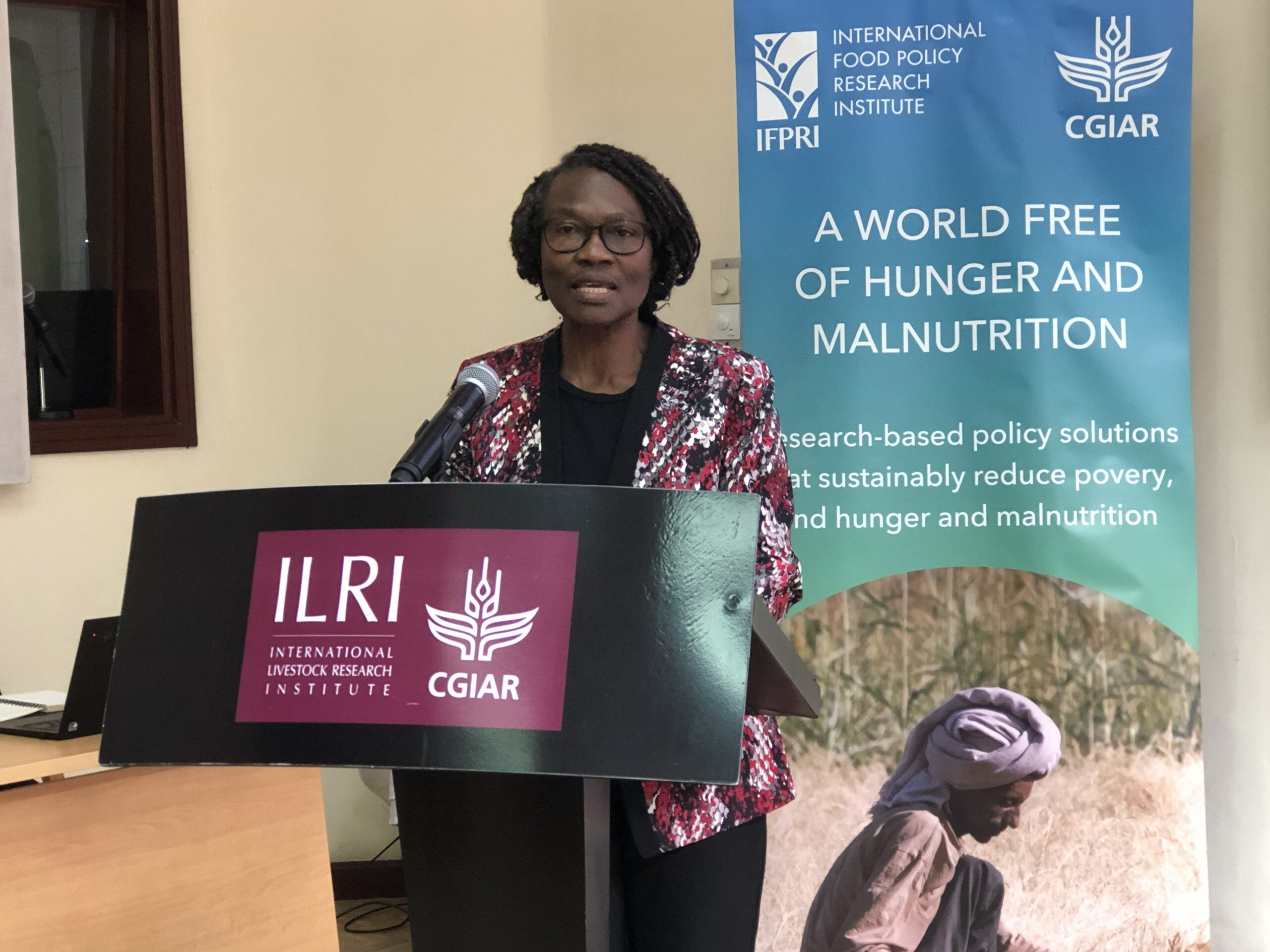
The technical sessions began with the presentation of the Inception Report for the Development of Ethiopia’s National Agri-food Systems Investment Plan (NASIP) 2026–2035, delivered by Dr. Tadesse Kuma Worako and Dr. Sisay Debeb of the Policy Studies Institute (PSI). The presentation traced the evolution of CAADP from the Maputo and Malabo Declarations to the Kampala Declaration and outlined Ethiopia’s efforts to domesticate the continental framework. The presenters highlighted the objectives of the NASIP process, including strengthening governance and coordination mechanisms, developing a robust evidence base, preparing a prioritized and bankable investment portfolio, and institutionalizing monitoring, evaluation, accountability, and learning systems.
A presentation by Zena H/Wold Biru from the Ministry of Agriculture provided an update on the implementation status of CAADP and the domestication of the Kampala Declaration in Ethiopia. He highlighted progress made to date, including the establishment of a strengthened NASIP Technical Committee comprising representatives from the Ministry of Agriculture, Ministry of Health, Ministry of Finance, ATI, IFPRI, ILRI, AGRA, the private sector, and other stakeholders. He also outlined the complementary support provided by development partners, with IFPRI leading the analytical studies, AGRA supporting NASIP development and Biennial Review processes, and ILRI contributing to the harmonization of national, SDG, and CAADP indicators.
The workshop also featured several technical presentations examining Ethiopia’s agrifood system from different perspectives. Dr. Amdisa Teshome presented the Food System Mapping for Ethiopia, providing a comprehensive assessment of the country’s progress, risks, and strategic priorities. He noted that while Ethiopia has made notable gains in food availability, improving diet quality and affordability remains a significant challenge. Emerta Aragie presented the Economywide Analysis in Support of the Kampala Goals and Milestones, demonstrating how targeted investments can accelerate economic growth, create jobs, reduce poverty, and improve nutrition outcomes. The analysis identified support for small and medium-sized enterprises (SMEs), livestock extension services, agricultural research and development, improved access to credit, and rural infrastructure as among the most cost-effective investment options. The final presentation of the first day, delivered by John Ulimwengu, explored Policy and Program Opportunities for Ethiopia’s Agrifood System Transformation under the Kampala Framework, outlining policy pathways to support long-term agricultural transformation. 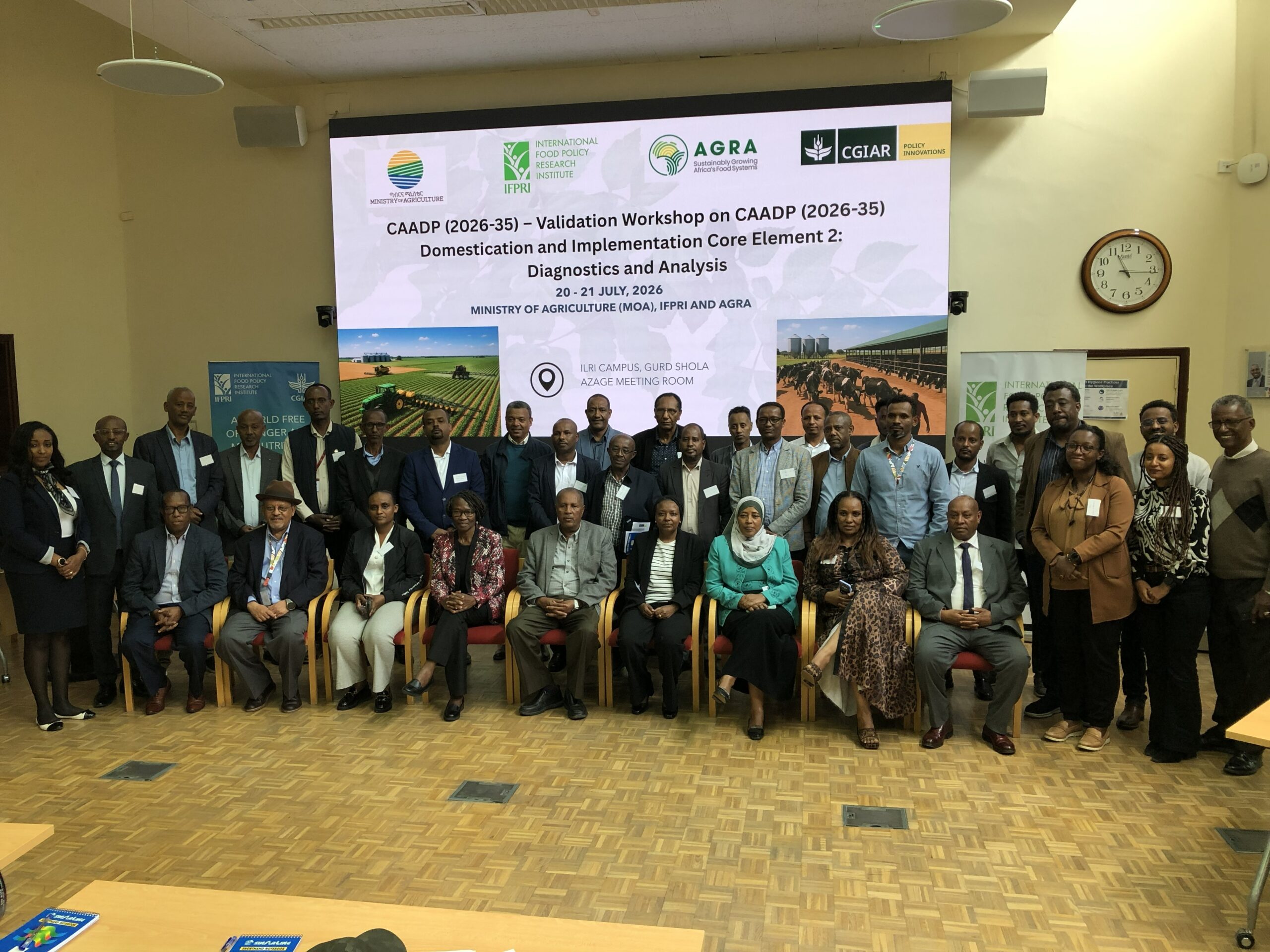
The second day of the workshop began with a recap of the previous day’s discussions by Ato Ayele from AGRA, followed by extensive discussions on the findings under Core Element 2: Diagnostics and Analysis. Participants reviewed the recommendations from each study and provided technical feedback to strengthen the analytical evidence that will inform the NASIP. The final presentation focused on Ethiopia’s Country Experience in Addressing Data Needs Across Food System Transformation Dimensions, highlighting the country’s strategic framework for food systems transformation, ongoing efforts to improve the availability and accessibility of food systems data, and priority investments needed to establish a comprehensive national food systems data platform.
The workshop concluded with strong consensus on the importance of evidence-based planning in guiding Ethiopia’s agricultural transformation. Participants reaffirmed the value of the analytical studies in shaping the National Agriculture and Food Systems Investment Plan and emphasized the need for continued collaboration among government institutions, research organizations, development partners, civil society, and the private sector to successfully implement the Kampala Declaration and accelerate sustainable agrifood systems transformation in Ethiopia.