More than 25 program leaders and senior researchers representing CGIAR Centers, Science Programs, Accelerators, and bilateral programs came together at the ILRI Campus, Info Centre in Addis Ababa on 1 July 2026 to launch the first Campus-wide Seminar Series. The event marked the beginning of a new initiative designed to create a shared intellectual platform where researchers can learn from one another, challenge ideas, exchange evidence, build interdisciplinary collaborations, and strengthen CGIAR's collective contribution to Ethiopia's national development priorities and policy processes. The seminar was jointly led by Dr. Alemayehu Seyoum Taffesse and Dr. Getachew Legese Feye of the Ethiopia Country Policy Innovation Hub Science Program.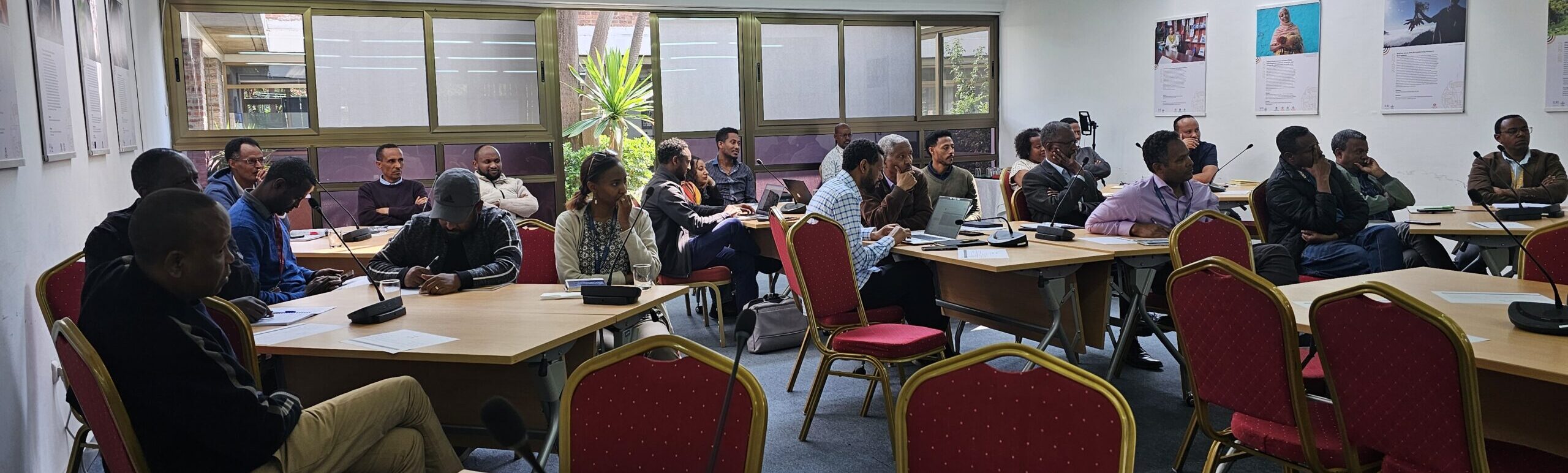
Opening the seminar, Dr. Getachew introduced the Ethiopia Country Policy Innovation Hub and its vision of "a future where Ethiopia's rural landscapes are thriving engines of growth." He highlighted the Hub's three strategic pillars: co-creating policy solutions, providing country support, and strengthening institutional capacity at the global, regional, and national levels. Dr. Alemayehu then outlined the rationale for launching the seminar series, emphasizing the unique opportunity created by the co-location of ten CGIAR Centers, eight Science Programs, four Accelerators, and several key partners on the ILRI campus. He noted that Ethiopia presents an exceptional environment where strong research capacity and growing demand for evidence-based policy can come together to accelerate development impact. He also presented the seminar's objectives, which include showcasing CGIAR research and innovation, promoting cross-center learning and interdisciplinary collaboration, fostering joint research proposals and publications, strengthening engagement with government and development partners, increasing the visibility of CGIAR's work, and creating networking opportunities for both early-career and senior researchers. Participants also discussed the proposed format of the series, including hybrid and in-person sessions, monthly meetings, and a rotating steering committee composed of representatives from the Policy Innovation Science Program and CGIAR Centers.
The discussion that followed demonstrated broad enthusiasm for the initiative while offering constructive suggestions to ensure its long-term success. Participants emphasized the importance of designing the platform as a sustainable, campus-wide initiative that extends beyond the Policy Innovation Science Program and encourages genuine co-creation across CGIAR Centers and national partners. Several speakers stressed that the seminars should move beyond presenting research findings to actively influencing policy and development practice by engaging government institutions, universities, development partners, and civil society organiz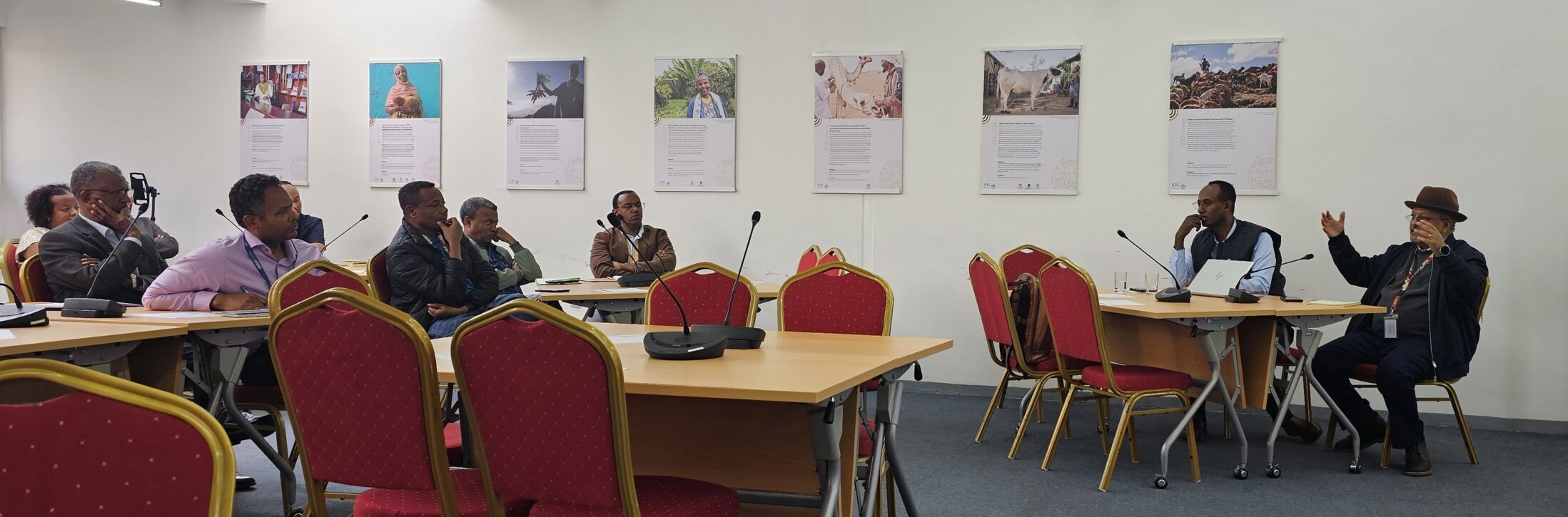 ations. Others highlighted the need to carefully select thematic topics that cut across sectors, encourage interdisciplinary dialogue, and respond to Ethiopia's priority development challenges. Participants also discussed balancing the seminar schedule with existing institutional events, developing incentives for participation, ensuring continuity through shared ownership, and using the platform to identify opportunities for collaborative research, joint publications, and policy engagement.
The seminar concluded with a shared commitment to transform the initiative into a vibrant community of practice that strengthens collaboration across CGIAR and its partners. Participants agreed that sustaining the platform would require collective ownership rather than significant financial resources, with success depending primarily on continued commitment and active participation. Through a volunteer nomination process, a six-member steering committee was established, consisting of Dr. Alemayehu Seyoum Taffesse, Dr. Getachew Legese Feye, Dr. Adefris Teklewold, Dr. Habtemariam Kassa, Mr. Niguuse Hagazi, and Dr. Abdulkerim H. Seid, with members serving on a six-month rotating basis. The meeting adjourned at 11:20 a.m., marking the beginning of what participants hope will become a lasting platform for knowledge exchange, innovation, and policy influence across CGIAR and Ethiopia's research and development community.