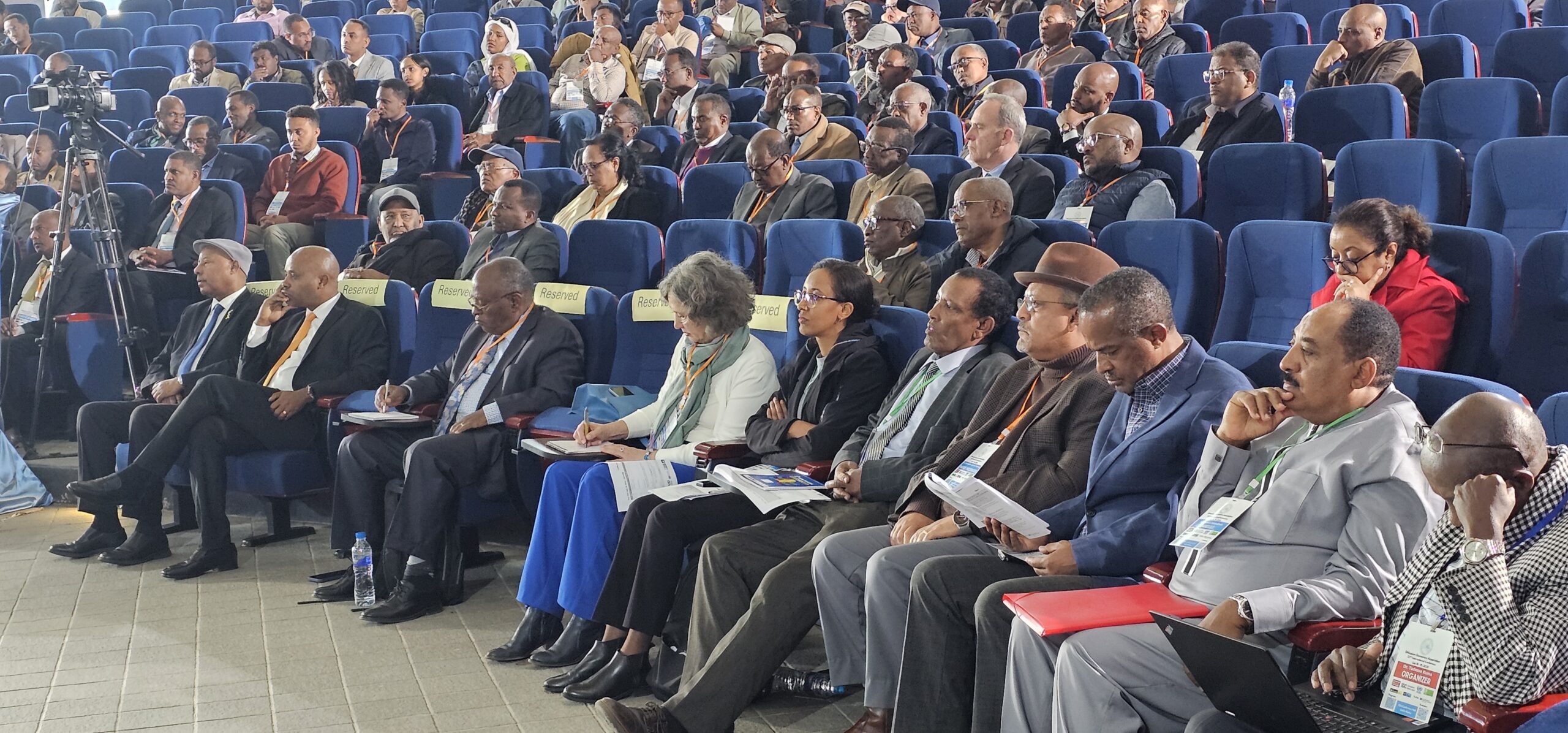
On July 18–19, the 22nd International Conference on the Ethiopian Economy was held at the Ethiopian Economics Association (EEA) Conference Centre. As a co-organizer, the Ethiopia Strategy Support Program (ESSP) of IFPRI, together with the Policy Innovation Program of CGIAR, actively participated in the event.
-
Presentation of Research Findings
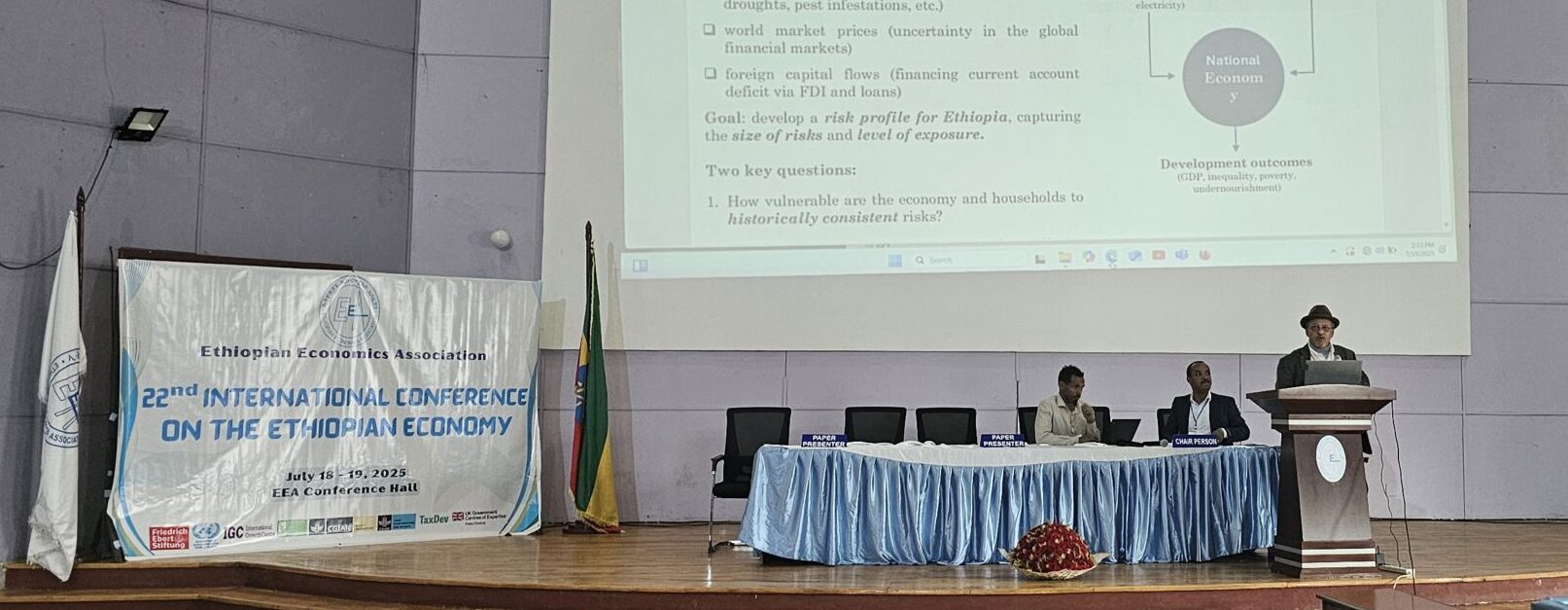
The IFPRI-ESSP team presented key research outputs from the Ethiopian Food Systems Program, funded by the United Arab Emirates (UAE).
Presentations included:
- “Cost-effective Options for Inclusive and Sustainable Development of the Agri-Food System”
- “Systematic Analysis of World Market and Domestic Production Shocks”
- “Transformation of Ethiopia’s Agri-Food System”
These papers were delivered by Dr. Alemayehu Seyoum Taffesse, Program Leader and Senior Research Fellow at IFPRI, and Melkamu Workie, Research Officer at IFPRI Ethiopia. The presentations sparked engaging discussions and thoughtful questions from participants.
-
Youth and Labor Market Panel
As part of the CGIAR – Policy Innovation program, a panel discussion was held on “Youth and Labor Market Trends”, bringing together young voices from Addis Ababa University (representing Generation Z) and leading Ethiopian recruitment platforms, EthioJobs and Hahu Jobs.
The session explored challenges facing youth in entering the job market, sectoral opportunities, and the role of online job platforms in shaping employment pathways. The exchange offered valuable insights into how data, partnerships, and policy can better support youth employment in Ethiopia.
The panel discussion began by a general question was raised to all discussant to explore how collaboration among academia, government, and the private sector can tackle youth and women’s unemployment, to assess the effectiveness of Ethiopia’s education system in job readiness, to offer guidance to unemployed youth, and identify key opportunities for job creation.
Dr. Zerihun Berhane, Associate Professor at Addis Ababa University’s Centre for African and Asian Studies, emphasized the clear mismatch between the current educational curriculum and labor market demands. He advocated for a shift towards skills-based education that better prepares students for the workforce.
Dr. Kaleab Mezgebu of Hahu Jobs echoed this concern, noting the misalignment in educational standards and the need for greater standardization across institutions. He called on the government to prioritize policy analysis and encouraged individual initiative among youth to bridge the employment gap.
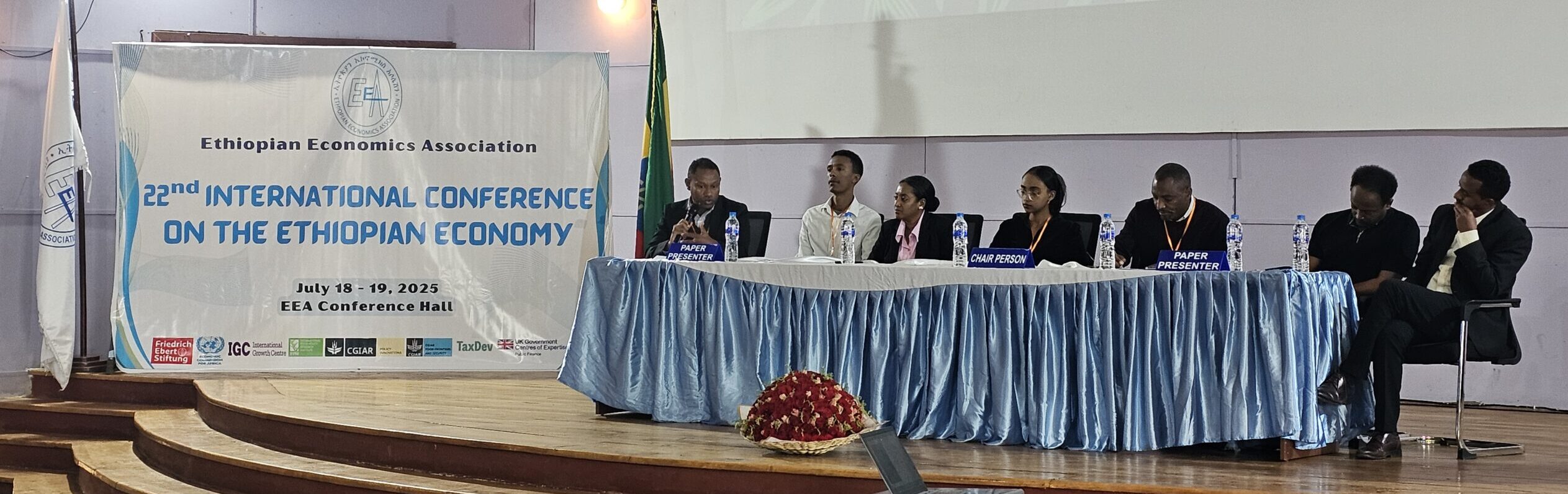
Siham Ayele from EthioJobs highlighted the need for stronger collaboration between universities, the private sector, and government. She pointed out that while the private sector must lead in job creation, the government should support these efforts. She also criticized Technical and Vocational Education and Training (TVET) programs for being overly theoretical, stressing the importance of practical, demand-driven training.
Lidya Tadesse, a student from Addis Ababa University, a youth representative, shared a fresh graduate’s perspective, outlining several key challenges: limited job opportunities relative to the number of graduates, the demand for prior experience, a disconnect between theoretical instruction and practical application, and the lack of effective networking. She emphasized the value of internships and hands-on training during university years to ease the transition into the job market.
Gosa Haile, also from Addis Ababa University, representing youth, stressed the importance of soft skills development, stating that universities often fail to offer practical support in this area. He advocated for curricula that integrate both hard and soft skills to ensure well-rounded graduates.
Overall, the discussion underscored the need for systemic reform, stronger partnerships, and a more holistic approach to education and employment to better equip Ethiopian youth—especially women—for meaningful work in a competitive labor market. Youth Voices and Job Platform Insights: Understanding the Barriers and Opportunities in Ethiopia’s Labor Market
For Youth Perspectives: Gaps Between Education, Skills, and Opportunity, A targeted question was posed to the youth panelists: What are the main challenges youth face in entering Ethiopia’s labor market, which sectors feel most accessible or out of reach, how relevant are formal qualifications to employment, and what types of support would most improve job prospects for graduates?
Dr. Zerihun pointed out that institutional instability, particularly the frequent restructuring within public institutions—hinders youth employment. He also emphasized that while youth employment programs exist, they often suffer from weak financing and poor implementation. Additionally, ongoing political instability poses a significant barrier to job creation and retention.
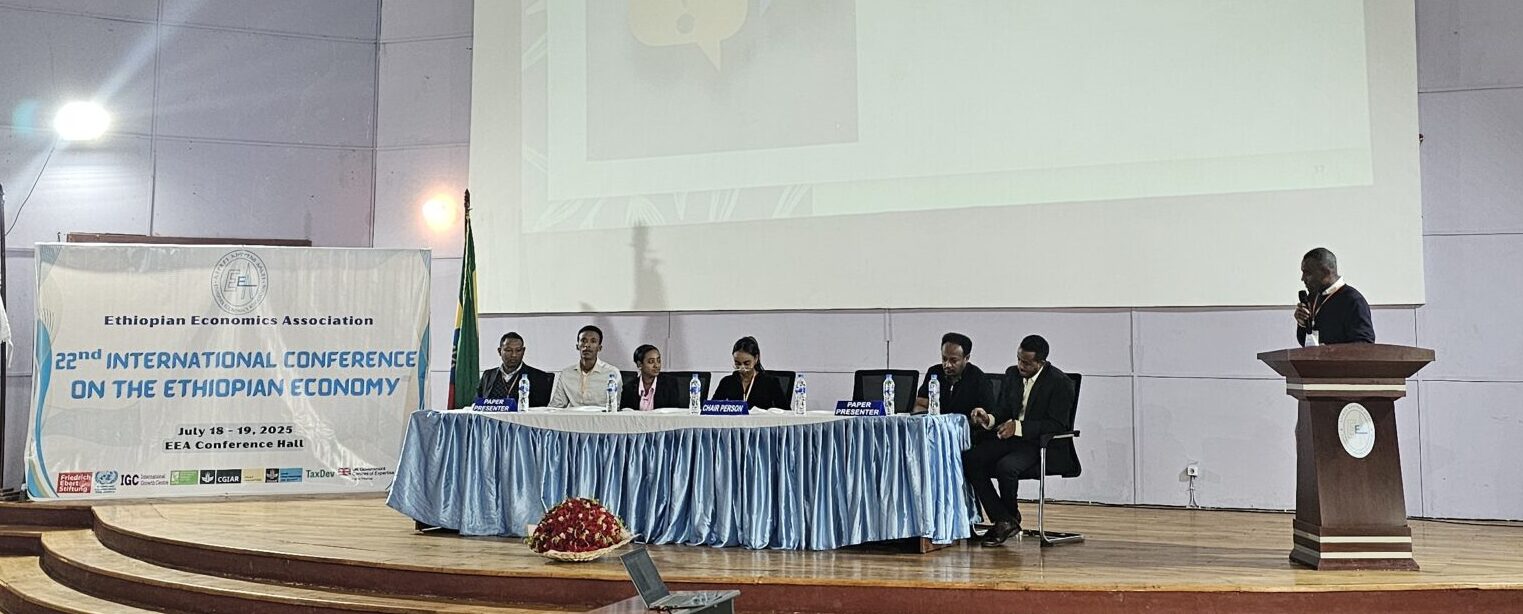
Gosa noted that many young people lack the practical skills demanded by employers. Even when jobs are available, low salaries make them unattractive or unsustainable for many youths.
Lidya stressed the importance of hands-on learning. She highlighted the urgent need for access to well-equipped laboratories and practical training within universities, arguing that theoretical knowledge alone is not enough to succeed in the modern job market.
Another key question was directed to representatives from Ethiojobs and Hahu Jobs: How can platform data—on high-demand roles, hard-to-fill vacancies, skills mismatches, gender and geographic trends—contribute to solving Ethiopia’s youth unemployment crisis?
Siham from Ethiojobs shared that most job postings on their platform require a minimum of two years of experience, which immediately excludes many fresh graduates. Jobs in accounting, digital marketing, human resources, and project management are among the most frequently advertised, reflecting market demand in these fields.
Dr. Kaleab Mezgebu from HahuJobs added that roles in business support, banking, engineering, and ICT are in high demand on their platform. ICT, in particular, is emerging as a growth sector. He also noted that 36% of applicants are women—mainly in service-oriented roles—and that 80% of all job seekers using their platform are based in Addis Ababa, highlighting a strong urban concentration in job search activity.
The panel revealed a complex landscape: a labor market shaped by structural, financial, and political challenges, mismatches between education and employment, and unequal access to opportunity. However, it also highlighted key areas for intervention—such as expanding practical training, aligning core curriculum with market needs, and using digital platforms to inform policy and job creation efforts. Together, these insights can pave the way for more effective strategies to reduce youth unemployment in Ethiopia.